
The evolution of gambling Tracing the roots and cultural significance through history
Origins of Gambling: A Historical Overview
The roots of gambling can be traced back to ancient civilizations, where it served as both a form of entertainment and a social activity. Archaeological findings suggest that the practice dates back to as early as 3000 BCE in China, where rudimentary games of chance were played using dice made from bones. These early forms of gambling not only provided enjoyment but also played a role in social gatherings, allowing individuals to forge connections and engage in friendly competition. Today, many people enjoy online betting sites that reflect this long-standing tradition.

Gambling in the Middle Ages and Renaissance
During the Middle Ages, gambling faced both acceptance and condemnation. While some viewed it as a sinful activity, others embraced it, leading to the creation of various card games and the establishment of betting houses. The emergence of tarot cards during this period brought about new forms of gambling, intertwining fortune-telling with chance. This interplay of luck and fate created a captivating allure that fascinated people from all walks of life.
The Renaissance marked a significant turning point in the evolution of gambling. With the rise of the merchant class, gambling became more accessible to the general public. This era saw the birth of modern gambling games such as poker and the creation of official gambling establishments. As laws surrounding gambling began to take shape, societies started to recognize both the potential for profit and the risks associated with gaming.
The Global Expansion of Gambling
As the world entered the 18th and 19th centuries, gambling underwent significant transformations, with its practices expanding beyond Europe. The introduction of lotteries as a means of raising funds for public projects began in this era, gaining immense popularity across various continents. Countries such as the United States adopted gambling in the form of riverboat casinos and state lotteries, leading to a surge in public interest and participation.
The global expansion of gambling also coincided with the emergence of organized crime, particularly during the Prohibition era in the United States. Speakeasies and underground gambling dens became commonplace, further complicating the perception of gambling as both a legitimate pastime and a vice. This juxtaposition of legality and illegality shaped the narrative of gambling and its cultural significance in society.
Modern Gambling: Technology and Regulation
The advent of the internet in the late 20th century revolutionized gambling, giving rise to online casinos and sports betting platforms. This technological shift democratized access to gambling, allowing individuals to engage in games from the comfort of their homes. The convenience and anonymity offered by online gambling have attracted millions, transforming the landscape of the industry.
However, this growth has also raised concerns regarding regulation and responsible gambling practices. Governments around the world have implemented various laws to ensure player protection and fair play. The balance between providing a safe gambling environment and allowing freedom of choice remains a critical issue as the industry continues to evolve.
Exploring the Cultural Significance of Gambling Today
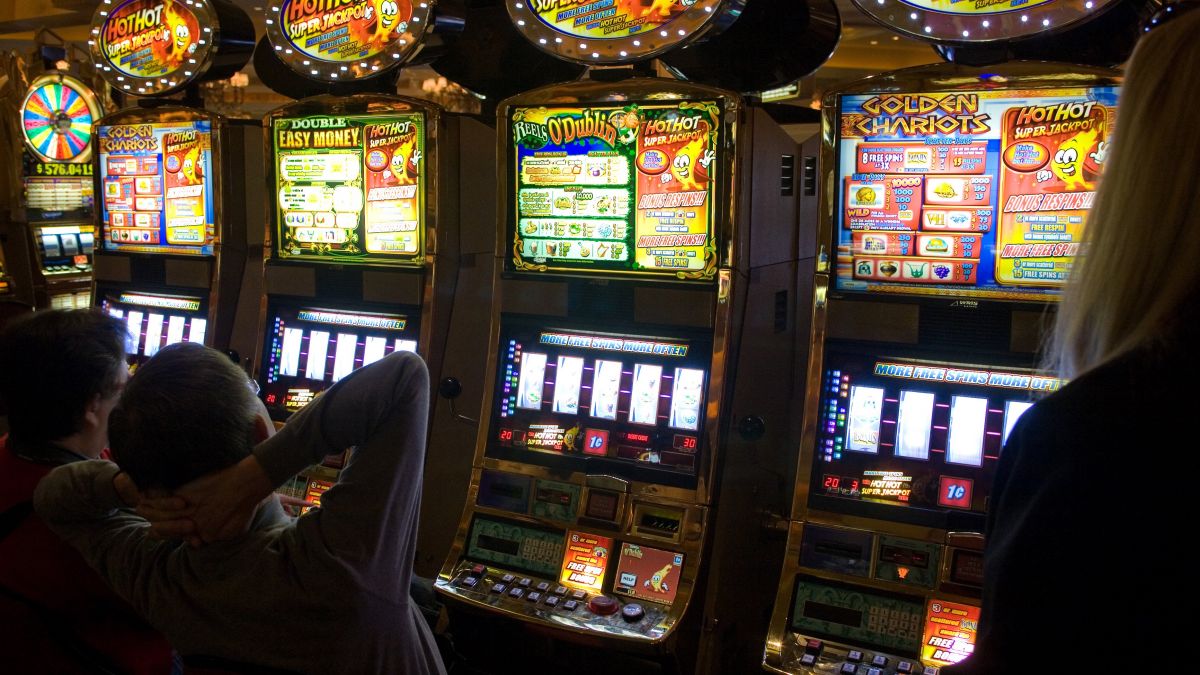
Gambling holds a unique position within modern culture, reflecting societal values and attitudes toward risk and reward. It is often viewed as a thrilling activity that can provide financial gains, social interaction, and entertainment. The integration of gambling into popular culture through films, literature, and even sports has solidified its role as a significant aspect of contemporary life.
As society grapples with the implications of gambling, educational resources and advocacy for responsible gaming have gained importance. Organizations focused on promoting awareness and support for individuals affected by gambling addiction have emerged, emphasizing the need for balance between enjoyment and responsibility. As gambling continues to evolve, its cultural significance will undoubtedly adapt, reflecting ongoing changes in society.
“`
